
Services shaped around individual smiles
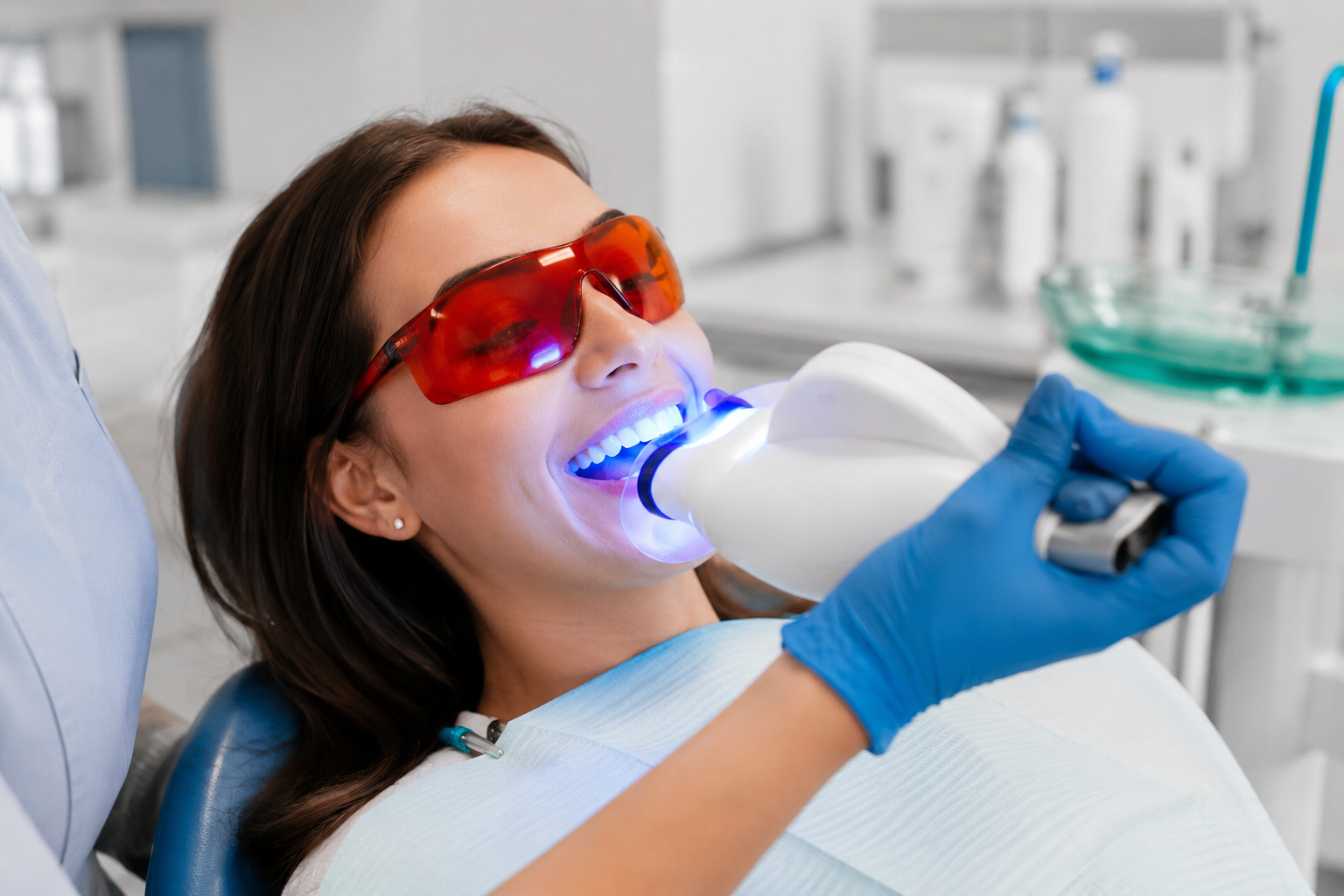
Teeth Whitening is a cosmetic service, but the decision to proceed should never be one-size-fits-all. This page brings together the main concerns reflected in the supplied references: younger adults who want a natural refresh, people noticing tea or coffee staining, and people who already experience sensitive teeth. It explains how those needs can be approached carefully without making medical promises or treating a website as a substitute for a professional assessment.
Core principles: individual suitability, clear explanation, protective preparation, realistic expectations, comfort checks and responsible aftercare.
Understanding who Teeth Whitening may suit
People consider Teeth Whitening for many different reasons: gradual yellowing, staining from everyday drinks, a forthcoming occasion, or a wish to feel less self-conscious when smiling.
Suitability is personal and cannot be decided from colour alone. The condition of the teeth and gums, the cause of discolouration, sensitivity history, age, expectations and previous dental work all affect the conversation. This distinction matters because good decisions begin with an accurate understanding of what whitening can address, what needs separate dental attention, and what should be discussed before any cosmetic session is considered.
A responsible starting point is an assessment that identifies whether the visible concern is surface staining, a natural shade variation or a change that needs investigation. A careful approach also makes room for questions, individual comfort, existing restorations and the everyday habits that influence colour. It keeps the conversation focused on a result that is proportionate, natural-looking and supported by sensible oral care.
This first stage protects comfort and prevents a cosmetic goal from taking priority over oral health. Rather than treating one appointment as the whole story, it is more useful to see this as part of ongoing smile care. Preparation, realistic expectations, immediate aftercare and long-term maintenance all contribute to how comfortable the experience feels and how well the visible improvement is preserved.
Teeth Whitening for younger adults
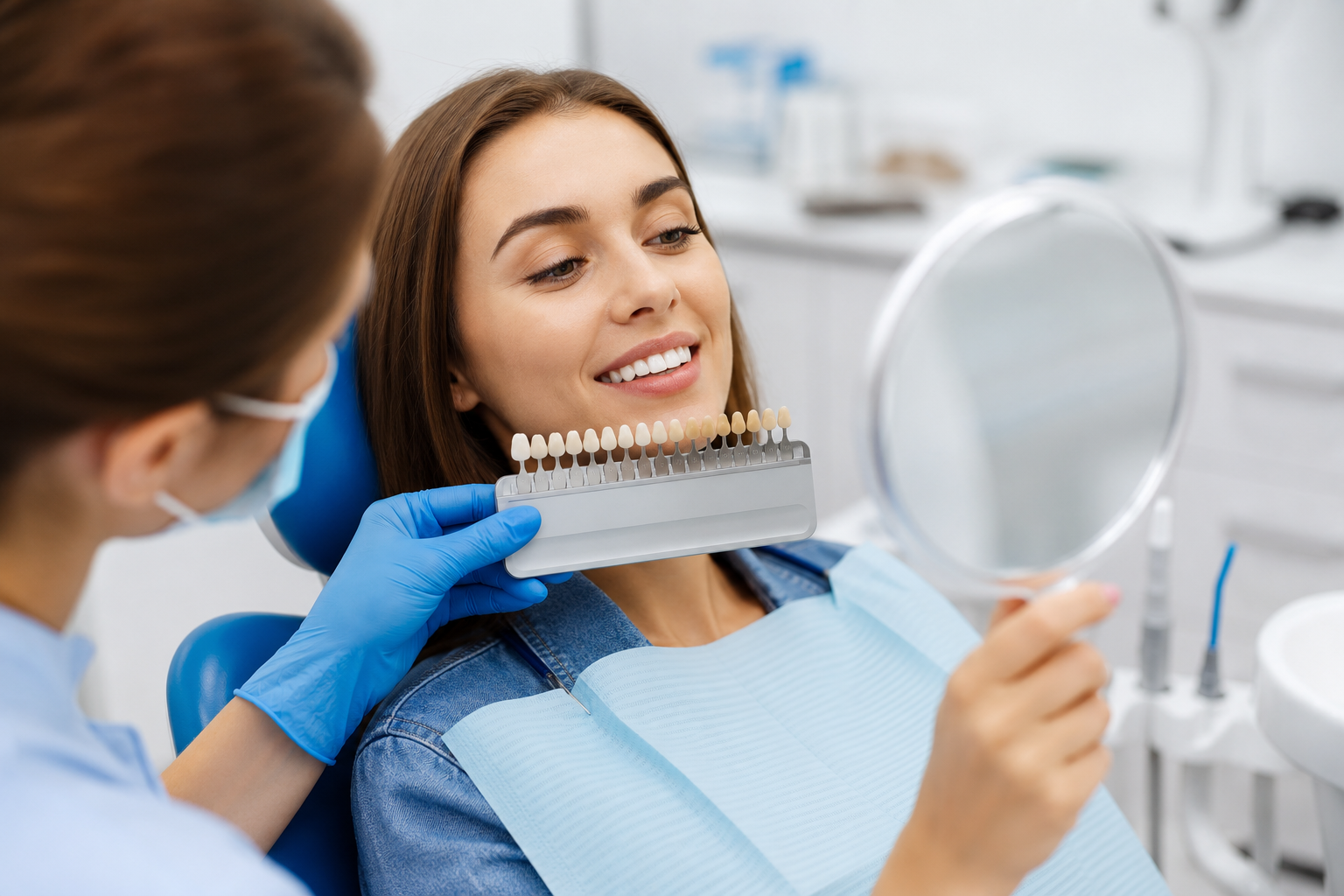
Younger adults may want a brighter smile for photographs, social occasions or day-to-day confidence, but enthusiasm should be balanced with a clear discussion about suitability and realistic outcomes.
A natural tooth shade varies from person to person, and a healthy smile does not need to be an extreme or uniform white. Whitening is intended to lift appropriate staining rather than erase the natural character of enamel. This distinction matters because good decisions begin with an accurate understanding of what whitening can address, what needs separate dental attention, and what should be discussed before any cosmetic session is considered.
Questions about age, dental development, current oral health and any orthodontic or restorative work should be addressed before treatment. A careful approach also makes room for questions, individual comfort, existing restorations and the everyday habits that influence colour. It keeps the conversation focused on a result that is proportionate, natural-looking and supported by sensible oral care.
The most useful result is one that looks fresh, remains believable and encourages consistent brushing, interdental cleaning and regular dental care. Rather than treating one appointment as the whole story, it is more useful to see this as part of ongoing smile care. Preparation, realistic expectations, immediate aftercare and long-term maintenance all contribute to how comfortable the experience feels and how well the visible improvement is preserved.
Tea and coffee staining
Tea and coffee contain colour compounds that can contribute to gradual surface staining, especially when dark drinks are consumed frequently throughout the day.
The pattern is influenced by drink strength, frequency, how long the liquid contacts the teeth, plaque accumulation and the natural texture of enamel. This is why two people with similar habits may notice different levels of staining. This distinction matters because good decisions begin with an accurate understanding of what whitening can address, what needs separate dental attention, and what should be discussed before any cosmetic session is considered.
Rinsing with water after a dark drink, maintaining effective oral hygiene and avoiding prolonged sipping can help reduce repeated exposure without turning daily life into an unrealistic set of rules. A careful approach also makes room for questions, individual comfort, existing restorations and the everyday habits that influence colour. It keeps the conversation focused on a result that is proportionate, natural-looking and supported by sensible oral care.
Whitening can refresh the visible shade, while small maintenance habits help slow the return of surface discolouration. Rather than treating one appointment as the whole story, it is more useful to see this as part of ongoing smile care. Preparation, realistic expectations, immediate aftercare and long-term maintenance all contribute to how comfortable the experience feels and how well the visible improvement is preserved.
Sensitive teeth and careful planning
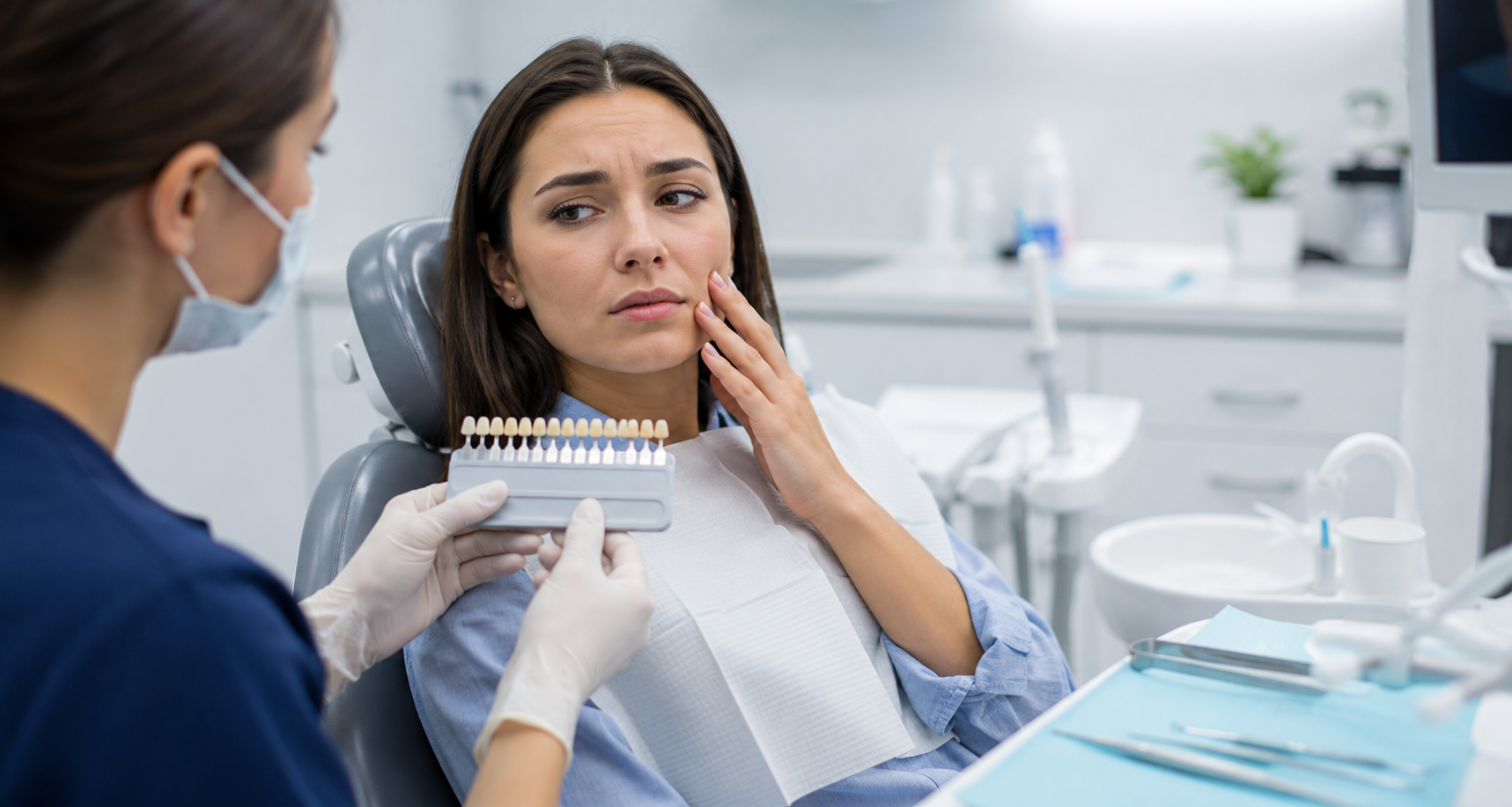
Sensitivity is one of the most important subjects to discuss before Teeth Whitening. Some people already experience short, sharp sensations with cold air, drinks or sweet foods, while others have experienced sensitivity after previous whitening. Anyone concerned about discomfort can learn more about Teeth Whitening for Sensitive Teeth before discussing personal suitability with a qualified dental professional.
Existing sensitivity may have several causes, including exposed dentine, worn enamel, gum recession, cracks or untreated dental problems. It should not be assumed that every sensation is a harmless reaction. This distinction matters because good decisions begin with an accurate understanding of what whitening can address, what needs separate dental attention, and what should be discussed before any cosmetic session is considered.
A qualified dental professional can consider the history, assess possible causes and explain whether whitening should proceed, be modified or wait until another concern is addressed. A careful approach also makes room for questions, individual comfort, existing restorations and the everyday habits that influence colour. It keeps the conversation focused on a result that is proportionate, natural-looking and supported by sensible oral care.
Comfort monitoring, appropriate products and clear aftercare are more meaningful than promises of a completely sensation-free experience. Rather than treating one appointment as the whole story, it is more useful to see this as part of ongoing smile care. Preparation, realistic expectations, immediate aftercare and long-term maintenance all contribute to how comfortable the experience feels and how well the visible improvement is preserved.
What happens before an in-clinic session
Preparation usually begins with a conversation about the desired change, previous whitening experiences and any areas of concern. Since professional and home-based methods can differ in their application, timing and maintenance requirements, reviewing the available Teeth Whitening options can help someone prepare relevant questions before the assessment. The starting shade may also be recorded so that any result can be compared consistently.
The teeth and gums should be considered before whitening material is applied. Existing restorations, visible decay, gum irritation and unexplained discolouration may influence whether the planned approach is appropriate. This distinction matters because good decisions begin with an accurate understanding of what whitening can address, what needs separate dental attention, and what should be discussed before any cosmetic session is considered.
This is also the right time to explain the sequence, expected appointment length, possible temporary sensitivity and what the person will need to do afterwards. A careful approach also makes room for questions, individual comfort, existing restorations and the everyday habits that influence colour. It keeps the conversation focused on a result that is proportionate, natural-looking and supported by sensible oral care.
Knowing wh at will happen reduces uncertainty and gives the person a genuine opportunity to make an informed decision. Rather than treating one appointment as the whole story, it is more useful to see this as part of ongo ing smile care. Preparation, realistic expectations, immediate aftercare and long-term maintenance all contribute to how comfortable the experience feels and how well the visible improvement is preserved.
A structured professional session
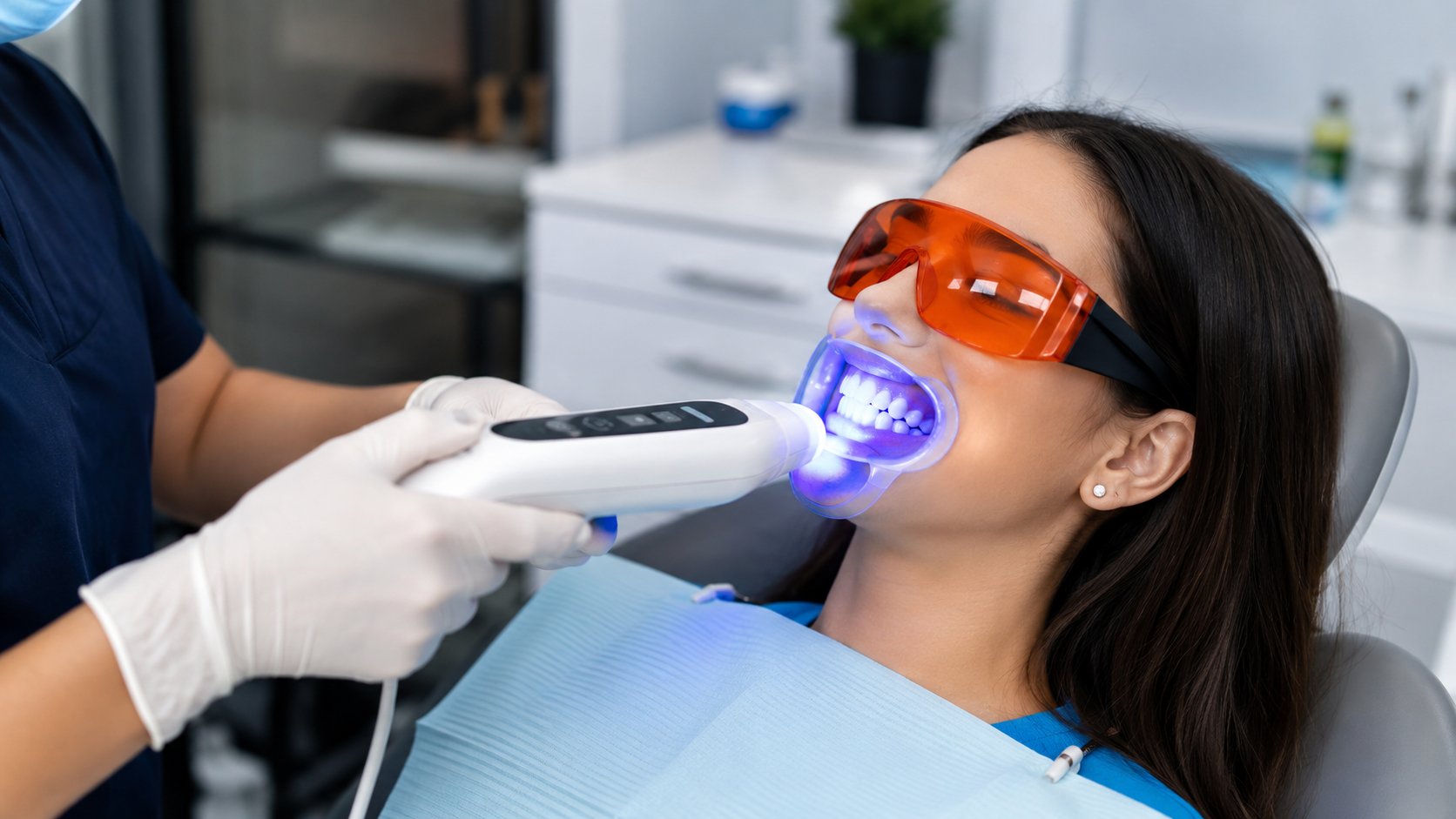
During a professional session, attention is directed to controlled application and protection of the surrounding soft tissues. The person should be positioned comfortably and able to communicate throughout.
The exact technique depends on the assessed plan. Marketing labels such as laser or light-activated whitening should never replace a plain explanation of the product used, the protective steps and the expected response. This distinction matters because good decisions begin with an accurate understanding of what whitening can address, what needs separate dental attention, and what should be discussed before any cosmetic session is considered.
Whitening material should be kept where it is intended, timing should be monitored and comfort should be checked rather than assumed. A careful approach also makes room for questions, individual comfort, existing restorations and the everyday habits that influence colour. It keeps the conversation focused on a result that is proportionate, natural-looking and supported by sensible oral care.
A calm pace and clear communication make the process easier to understand and allow the session to be adjusted if needed. Rather than treating one appointment as the whole story, it is more useful to see this as part of ongoing smile care. Preparation, realistic expectations, immediate aftercare and long-term maintenance all contribute to how comfortable the experience feels and how well the visible improvement is preserved.
How natural teeth and restorations respond differently
Whitening changes the appearance of natural tooth structure, but fillings, crowns, veneers, bridges and other restorations do not necessarily lighten in the same way.
This can create a shade difference if a restoration sits within the visible smile. The effect may be minor or more noticeable depending on its position, colour and the amount of whitening achieved. This distinction matters because good decisions begin with an accurate understanding of what whitening can address, what needs separate dental attention, and what should be discussed before any cosmetic session is considered.
Restorations should therefore be identified before treatment and discussed as part of expectation setting. A person should understand that later restorative work may be considered if colour matching becomes important. A careful approach also makes room for questions, individual comfort, existing restorations and the everyday habits that influence colour. It keeps the conversation focused on a result that is proportionate, natural-looking and supported by sensible oral care.
This is not a reason to assume whitening is unsuitable; it is a reason to plan with the full smile in view. Rather than treating one appointment as the whole story, it is more useful to see this as part of ongoing smile care. Preparation, realistic expectations, immediate aftercare and long-term maintenance all contribute to how comfortable the experience feels and how well the visible improvement is preserved.
Everyday causes of discolouration
Tooth colour changes through a mixture of surface staining, natural ageing, enamel characteristics, diet, tobacco exposure, medication history and individual biology.
Coffee, tea, red wine and strongly pigmented foods commonly affect the surface, while thinning enamel can allow more of the naturally darker underlying dentine to show through over time. This distinction matters because good decisions begin with an accurate understanding of what whitening can address, what needs separate dental attention, and what should be discussed before any cosmetic session is considered.
A useful assessment separates likely stain from changes that whitening may not correct. A single dark tooth, sudden colour change or discomfort deserves dental attention rather than cosmetic guesswork. A careful approach also makes room for questions, individual comfort, existing restorations and the everyday habits that influence colour. It keeps the conversation focused on a result that is proportionate, natural-looking and supported by sensible oral care.
Understanding the cause helps set a fair expectation for the degree and evenness of any visible improvement. Rather than treating one appointment as the whole story, it is more useful to see this as part of ongoing smile care. Preparation, realistic expectations, immediate aftercare and long-term maintenance all contribute to how comfortable the experience feels and how well the visible improvement is preserved.
Comfort during and after Teeth Whitening
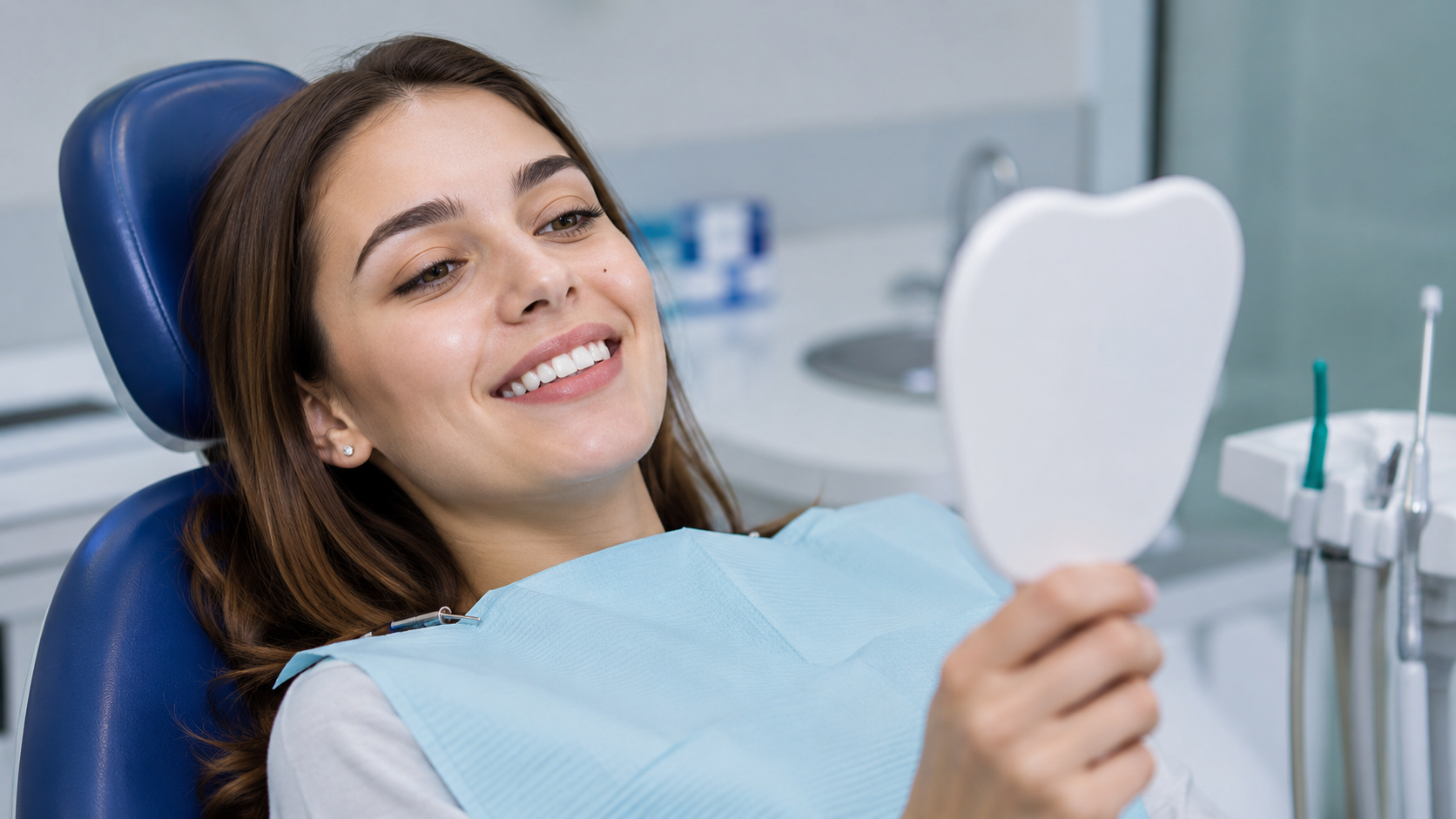
Comfort is not a decorative part of care; it is information that guides the session. People should feel able to mention heat, tingling, gum irritation or a sharp sensation as soon as it occurs.
Some temporary sensitivity can happen even when treatment is carefully provided. The likelihood and intensity vary, and no responsible page can guarantee exactly how one person will feel. This distinction matters because good decisions begin with an accurate understanding of what whitening can address, what needs separate dental attention, and what should be discussed before any cosmetic session is considered.
Aftercare may include avoiding very hot or cold items for a short period, using a soft toothbrush and following personalised advice about sensitivity toothpaste or other measures. A careful approach also makes room for questions, individual comfort, existing restorations and the everyday habits that influence colour. It keeps the conversation focused on a result that is proportionate, natural-looking and supported by sensible oral care.
Clear expectations help a temporary response feel manageable while also making it easier to recognise a symptom that should be checked. Rather than treating one appointment as the whole story, it is more useful to see this as part of ongoing smile care. Preparation, realistic expectations, immediate aftercare and long-term maintenance all contribute to how comfortable the experience feels and how well the visible improvement is preserved.
Supporting results with oral hygiene
Whitening does not replace brushing, interdental cleaning, professional examinations or treatment for active oral-health problems. Its role is cosmetic and should sit within a stable care routine.
Plaque and surface deposits can make teeth appear duller and allow stain to accumulate more easily. Consistent cleaning supports both the appearance of the smile and the health of the surrounding gums. This distinction matters because good decisions begin with an accurate understanding of what whitening can address, what needs separate dental attention, and what should be discussed before any cosmetic session is considered.
A soft-bristled brush, suitable fluoride toothpaste and an interdental method appropriate for the person form a practical foundation. Technique and consistency matter more than aggressive scrubbing. A careful approach also makes room for questions, individual comfort, existing restorations and the everyday habits that influence colour. It keeps the conversation focused on a result that is proportionate, natural-looking and supported by sensible oral care.
People who connect whitening with responsible daily care are better placed to maintain a clean, even appearance over time. Rather than treating one appointment as the whole story, it is more useful to see this as part of ongoing smile care. Preparation, realistic expectations, immediate aftercare and long-term maintenance all contribute to how comfortable the experience feels and how well the visible improvement is preserved.
Lifestyle compatibility without unrealistic restrictions
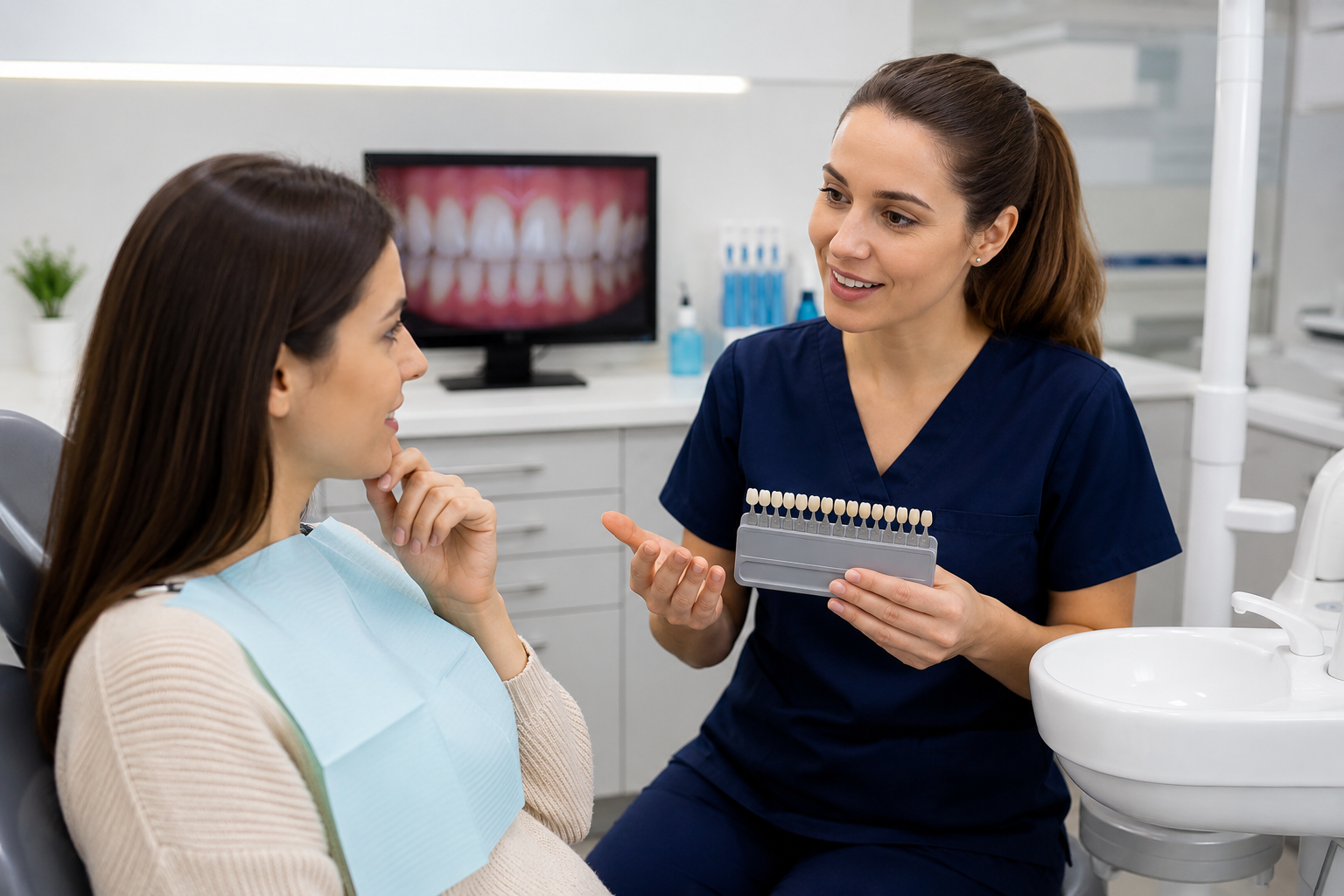
A service should fit real life. People do not need to promise that they will never again drink tea or coffee, but they do benefit from understanding how repeated exposure can influence stain return.
Frequency, contact time and oral hygiene all matter. Water after a dark drink, shorter sipping periods and sensible timing around brushing can be more sustainable than an all-or-nothing rule. This distinction matters because good decisions begin with an accurate understanding of what whitening can address, what needs separate dental attention, and what should be discussed before any cosmetic session is considered.
Smoking and tobacco use have wider oral-health consequences as well as a strong staining effect, so professional support to reduce or stop is relevant for more than appearance alone. A careful approach also makes room for questions, individual comfort, existing restorations and the everyday habits that influence colour. It keeps the conversation focused on a result that is pro portionate, natural-looking and supported by sensible oral care.
Maintenance works best when advice is specific, achievable and connected to the person’s actual routine. Rather than treating one appointment as the whole story, it is more useful to see this as part of ongoing smile care. Preparation, realistic expectations, immediate aftercare and long-term maintenance all contribute to how comfortable the experience feels and how well the visible improvement is preserved.
Questions to ask before choosing a service
Useful questions include who will assess suitability, what whitening product and method are proposed, how gums are protected, what temporary effects are possible and what happens if discomfort develops.
It is also reasonable to ask how the starting shade will be recorded, whether restorations may look different, what aftercare is provided and which claims are supported by the actual plan. This distinction matters because good decisions begin with an accurate understanding of what whitening can address, what needs separate dental attention, and what should be discussed before any cosmetic session is considered.
Clear answers should be understandable without pressure, vague guarantees or urgency. A person should have space to consider the information and decide whether the expected improvement is worthwhile. A careful approach also makes room for questions, individual comfort, existing restorations and the everyday habits that influence colour. It keeps the conversation focused on a result that is proportionate, natural-looking and supported by sensible oral care.
Good communication is a practical safety feature because it turns consent into an informed conversation rather than a signature or assumption. Rather than treating one appointment as the whole story, it is more useful to see this as part of ongoing smile care. Preparation, realistic expectations, immediate aftercare and long-term maintenance all contribute to how comfortable the experience feels and how well the visible improvement is preserved.
Responsible limits and when to seek advice
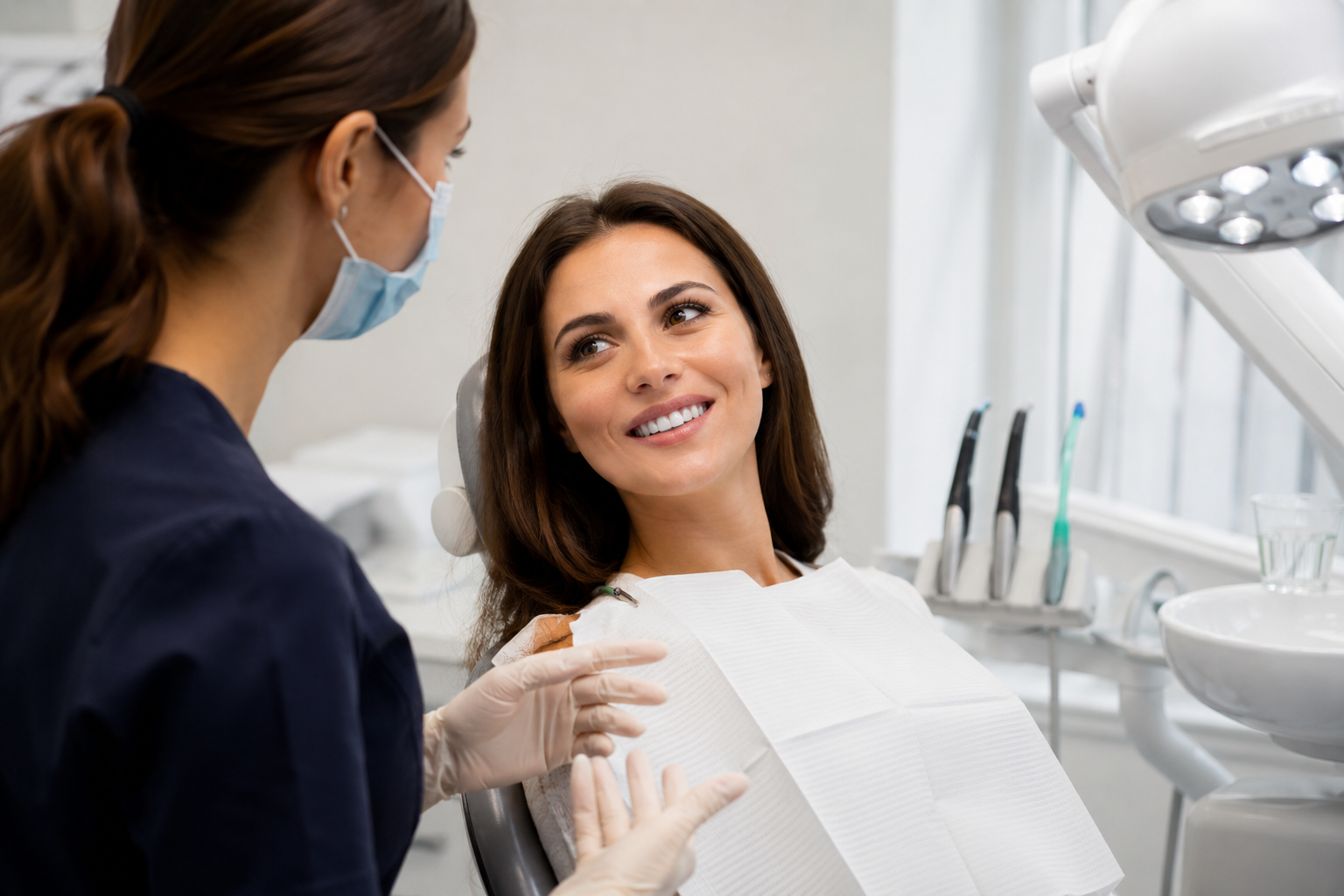
Teeth Whitening is not the correct response to every colour concern. Pain, swelling, bleeding gums, loose teeth, a fractured tooth or an unexplained isolated darkening should be assessed by a dental professional.
Pregnancy, breastfeeding, age, significant sensitivity and complex dental histories may also require particular consideration. The relevant decision should come from an appropriate professional assessment rather than a generic website statement. This distinction matters because good decisions begin with an accurate understanding of what whitening can address, what needs separate dental attention, and what should be discussed before any cosmetic session is considered.
If treatment proceeds, the plan should stay within the recommended use of the chosen product and avoid repeated applications driven by an unrealistic chase for the lightest possible shade. A careful approach also makes room for questions, individual comfort, existing restorations and the everyday habits that influence colour. It keeps the conversation focused on a result that is proportionate, natural-looking and supported by sensible oral care.
Respecting limits protects oral health and supports a result that feels measured, comfortable and credible. Rather than treating one appointment as the whole story, it is more useful to see this as part of ongoing smile care. Preparation, realistic expectations, immediate aftercare and long-term maintenance all contribute to how comfortable the experience feels and how well the visible improvement is preserved.
Home maintenance and professional boundaries
Some whitening plans include a home-maintenance element, but any product used away from the appointment should come with instructions that are clear, specific and appropriate to the assessed plan.
More product, longer contact or more frequent use does not automatically produce a better result and may increase discomfort or irritation. This distinction matters because good decisions begin with an accurate understanding of what whitening can address, what needs separate dental attention, and what should be discussed before any cosmetic session is considered.
People should follow the stated schedule, keep materials away from children and avoid sharing individually supplied trays or products with another person. A careful approach also makes room for questions, individual comfort, existing restorations and the everyday habits that influence colour. It keeps the conversation focused on a result that is proportionate, natural-looking and supported by sensible oral care.
If the teeth or gums react unexpectedly, use should pause and advice should be sought rather than improvising a stronger routine. Rather than treating one appointment as the whole story, it is more useful to see this as part of ongoing smile care. Preparation, realistic expectations, immediate aftercare and long-term maintenance all contribute to how comfortable the experience feels and how well the visible improvement is preserved.
Reviewing the outcome and future needs
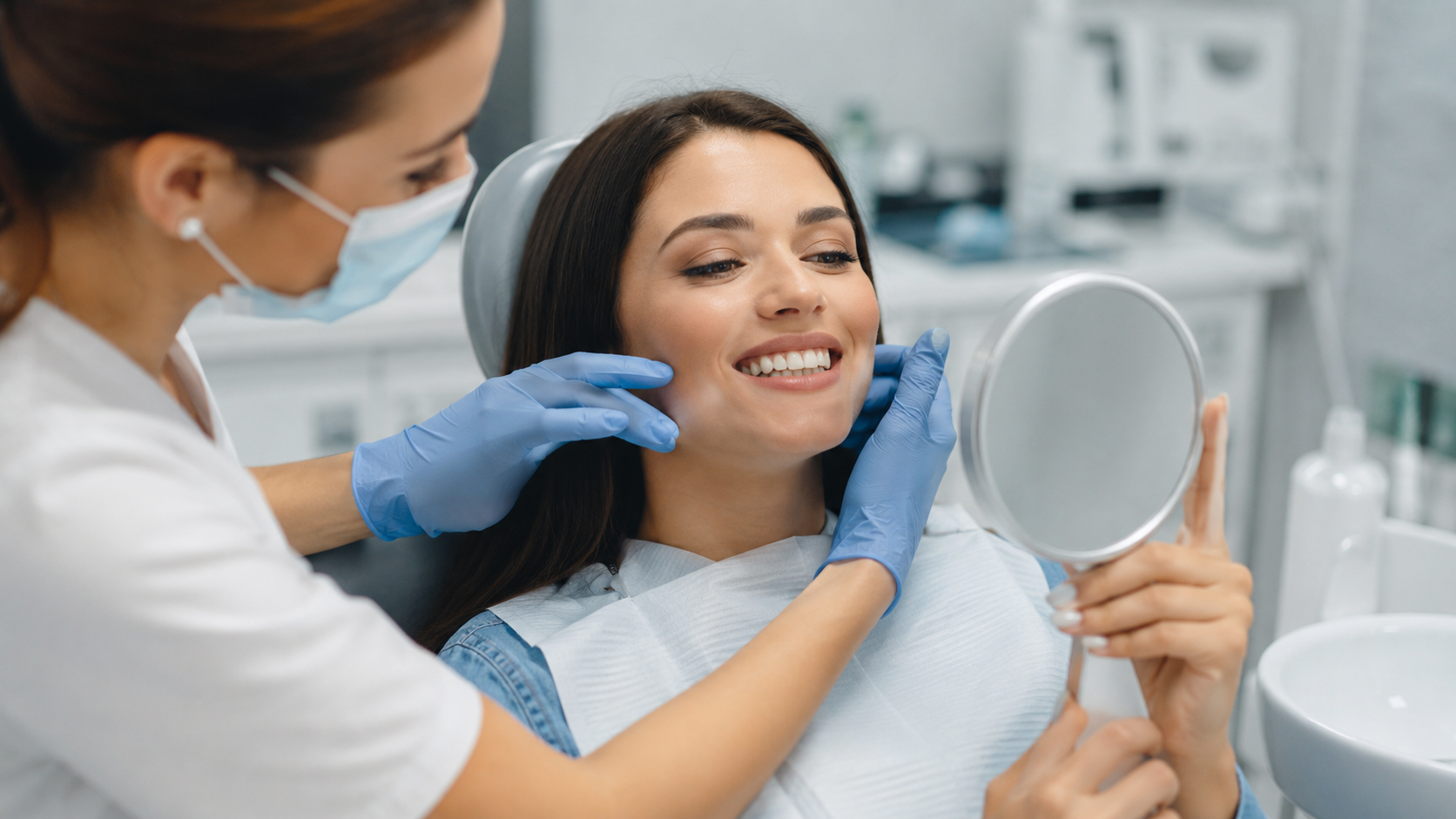
A review is an opportunity to compare the settled result with the starting record, discuss comfort and decide whether any further action is appropriate.
It should not be assumed that everyone needs an immediate repeat or a regular top-up simply because a brighter shade is technically possible. This distinction matters because good decisions begin with an accurate understanding of what whitening can address, what needs separate dental attention, and what should be discussed before any cosmetic session is considered.
The conversation can consider how the visible smile has responded, whether restorations now contrast and how daily habits may influence future staining. A careful approach also makes room for questions, individual comfort, existing restorations and the everyday habits that influence colour. It keeps the conversation focused on a result that is proportionate, natural-looking and supported by sensible oral care.
A measured review keeps future decisions connected to oral health, satisfaction and realistic maintenance rather than an automatic timetable. Rather than treating one appointment as the whole story, it is more useful to see this as part of ongoing smile care. Preparation, realistic expectations, immediate aftercare and long-term maintenance all contribute to how comfortable the experience feels and how well the visible improvement is preserved.
Preparing practical questions before an appointment
A useful service discussion begins with questions that are specific to the person. It helps to note current sensitivity, recent dental work, visible restorations, gum concerns and changes in tooth colour. Everyday habits also matter, including how often tea or coffee is consumed and whether a maintenance routine would be realistic.
Questions should cover who assesses suitability, how the starting shade is recorded, what protective steps are used and how comfort is monitored. Someone with sensitive teeth can ask what adjustments are available, when treatment would be paused and which symptoms require a separate dental assessment. Clear answers allow the proposed service to be compared with personal priorities without relying on general promises. Preparation does not commit anyone to treatment; it makes the conversation accurate and useful.
Frequently Asked Questions
People often have questions about suitability, sensitivity, expected results, restorations and aftercare before choosing a whitening service. The answers below address the most common concerns, while the complete Teeth Whitening FAQs provide further general information. Personal advice should always come from an appropriately qualified dental professional who has assessed the teeth and gums.
Suitability depends on oral health, age, sensitivity, the cause of discolouration, existing dental work and personal expectations. A professional assessment should take place before treatment begins.
Teeth Whitening may reduce appropriate surface staining caused by tea and coffee. Results vary according to the type and depth of staining, natural enamel colour and individual habits.
Having sensitive teeth does not automatically rule out whitening, but the cause of the sensitivity should be considered first. Treatment may need to be modified, postponed or avoided following professional assessment.
Whitening products mainly affect natural tooth structure. Crowns, fillings, veneers, bridges and other restorations may not lighten, which could create a visible difference in shade.
The consultation may include discussing the desired result, recording the starting shade and considering the condition of the teeth and gums. Existing restorations, sensitivity and unexplained colour changes should also be discussed.
Some people may experience temporary sensitivity or gum irritation during or after treatment. Any sharp, persistent or unexpected discomfort should be reported so appropriate advice can be provided.
Results vary because natural tooth shade, enamel characteristics and the cause of discolouration differ between individuals. The aim should be a realistic, even and natural-looking improvement rather than an extreme shade.
Regular brushing, interdental cleaning and routine dental care can help maintain the appearance of the teeth. Rinsing with water after dark drinks and avoiding prolonged sipping may also reduce repeated staining.
No. Using more product, extending contact time or increasing treatment frequency may cause sensitivity or irritation. Any home-maintenance product should be used only according to the instructions provided.
Dental advice should be sought for pain, swelling, bleeding gums, loose or fractured teeth, persistent sensitivity or unexplained darkening of a single tooth. These concerns require assessment rather than cosmetic treatment alone.